Building a sustainable earth and space economy
Digital Reef assembles the essential ingredients of digital capacity: power, connectivity, compute and consent. Behind every site is a coordinated programme securing grid and energy supply, fibre, technology partnerships and environmental approvals, creating sovereign-ready infrastructure for AI and cloud workloads.
The Foundations of digital capacity
Power and Energy
Grid capacity, private wire networks and low-carbon supply secured early, with a clear route from 100MVA to 1GVA.
- Grid connections with N-2 resilience
- Renewable energy from wind and solar
- Battery storage and fuel cells
- Future pathways to advanced nuclear, including small modular reactors
Connectivity
Diverse, low-latency fibre linking each site to the markets it serves.
- Diverse fibre routes and multiple carriers
- Network and subsea cable partnerships
- Low-latency access to major cloud regions
Compute
and Technology
Partnerships across the AI and cloud supply chain.
- Access to next-generation compute and hardware
- AI-ready designs for high-density workloads
- Liquid cooling and advanced thermal solutions
Sovereign Data
and AI
Infrastructure that keeps data, compute and control within national borders.
- Sovereign AI and national compute capacity
- Public sector, defence and regulated workloads
- Data residency and security built in from the start
Environment
and Monitoring
Ecology, water and carbon strategies integrated from day one.
- Biodiversity net gain and ecological enhancement
- Carbon and embodied-carbon strategies
- Real-time monitoring, reporting and verification through our partnership with Xange
Efficiency
Designed to use less power and water, and to put waste heat to good use.
- Cooling strategies matched to local climate
- Heat reuse for district heating and industry
- Continuous PUE and WUE monitoring
Cooling that doesn’t compete for water
Permitted Cooling Sources

1. Rainwater 
2. Reclaimed Water 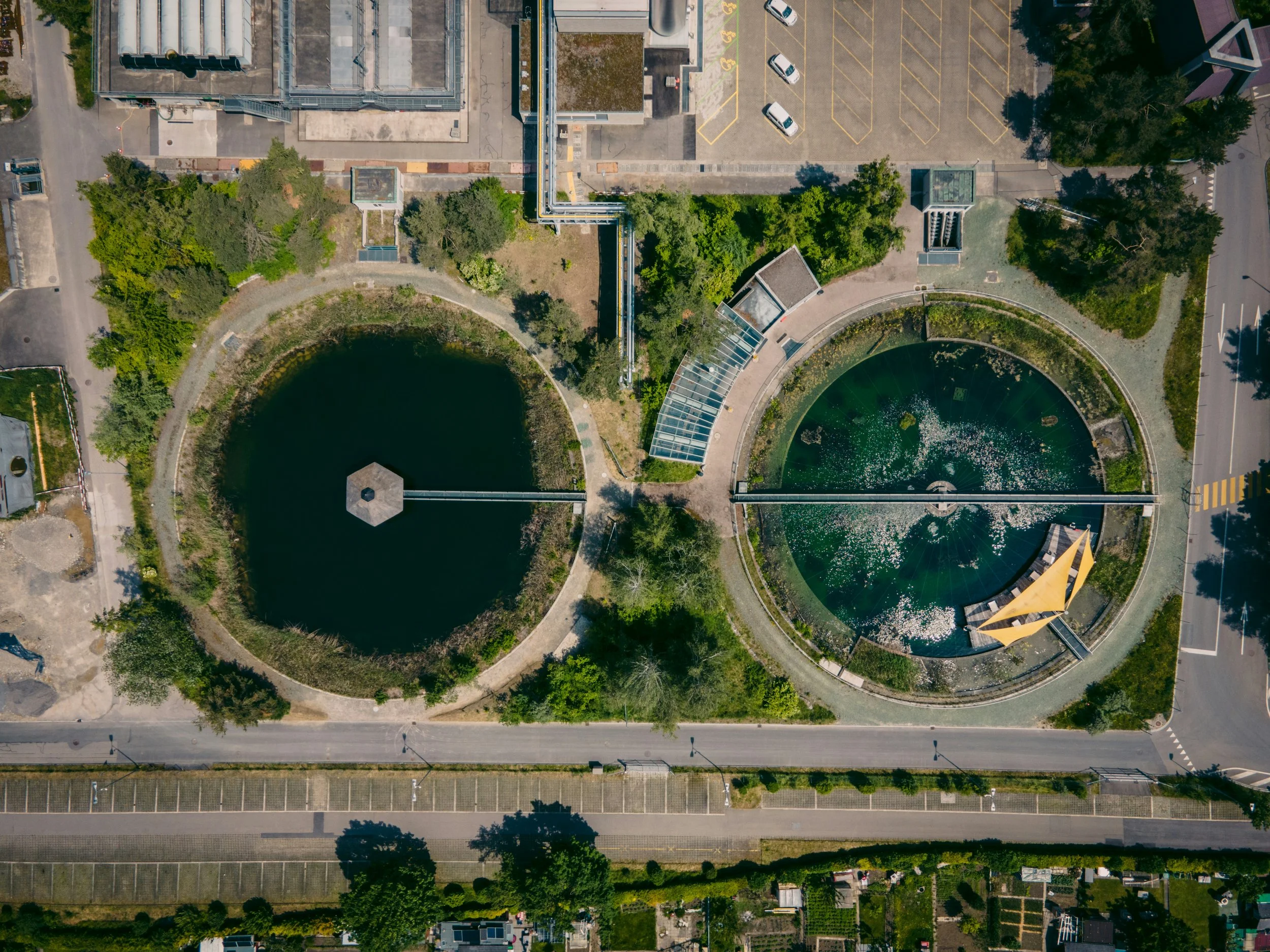
3. Recycled Water
Every campus uses a cooling strategy tailored to its local climate and occupier requirements, with minimising water use as a core design objective.
4. River Water 
5. Potable Water Non-permitted Sources
Air-cooled, closed-loop and liquid cooling systems prioritised to reduce or eliminate water demand
Adiabatic or evaporative cooling used where it improves energy efficiency or meets occupier specifications
Harvested rainwater, reclaimed water and greywater prioritised, reducing reliance on mains supply
Connection strategy, resilience and behind-the-meter solutions
We design every facility to use water responsibly, balancing occupier needs with the needs of local communities and the environment.
A connected ecosystem
More than a Data Centre
Our campuses are designed as part of a wider ecosystem, where energy, data, food and industry support one another. Shared power, heat, water and connectivity create opportunities for co-located uses that add value for occupiers, investors and local communities.
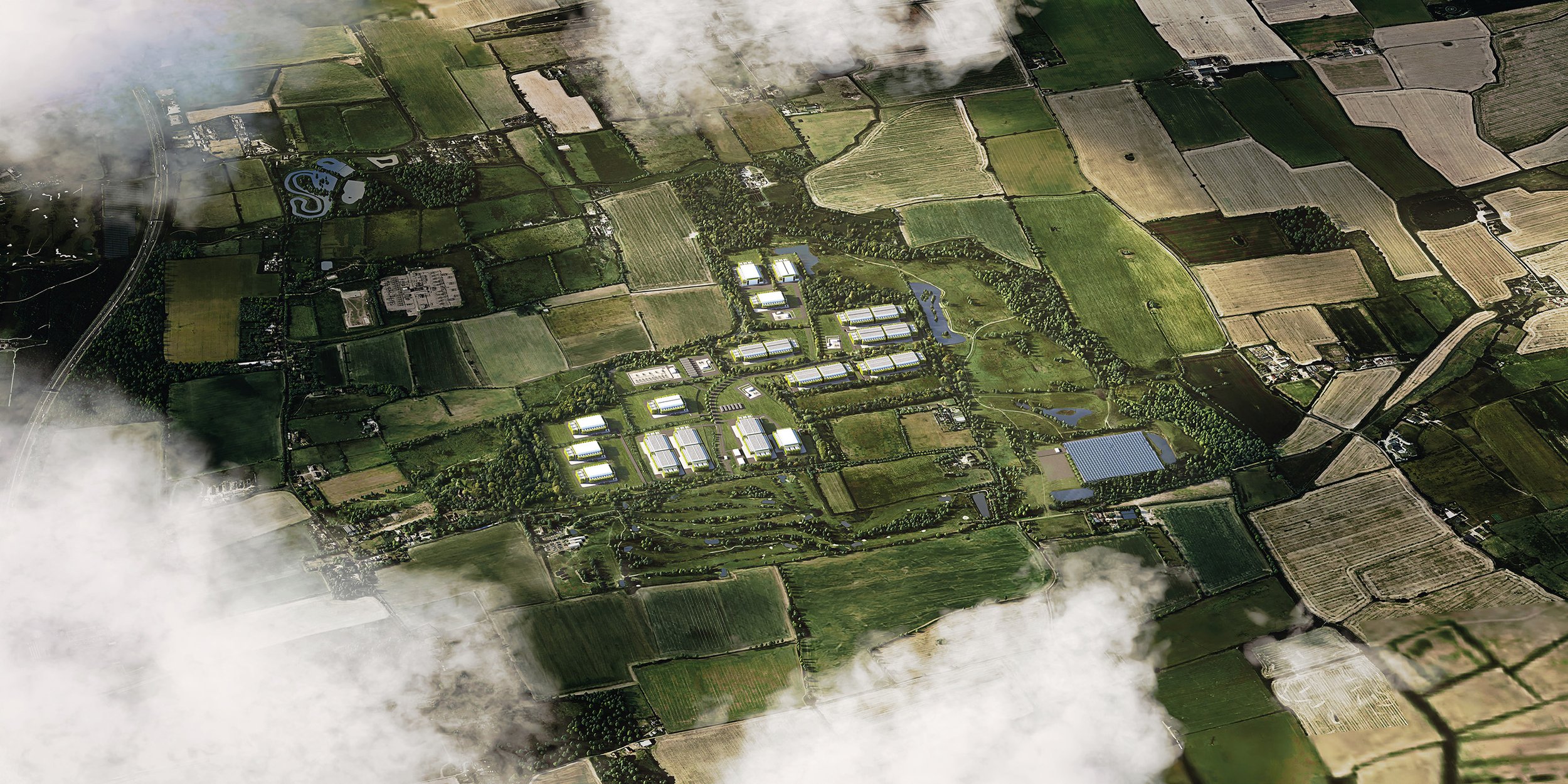 Data Centres
Electrical Infrastructure
Ecology Park
Heated Horticulture
Data Centres
Ecology Park
Data Centres
Data Centres
District Heating Energy Centre
Swipe to explore the campus
Energy
Renewable generation, storage and shared grid infrastructure
Data
Cloud, AI and edge capacity serving regional and national markets
Food resilience
Automated vertical farms using waste heat, resilient power and closed-loop water systems to grow fresh produce locally, all year round
Advanced manufacturing
Industrial users benefiting from resilient power and connectivity
Community uses
Waste heat supplied to district heating, greenhouses and local industry